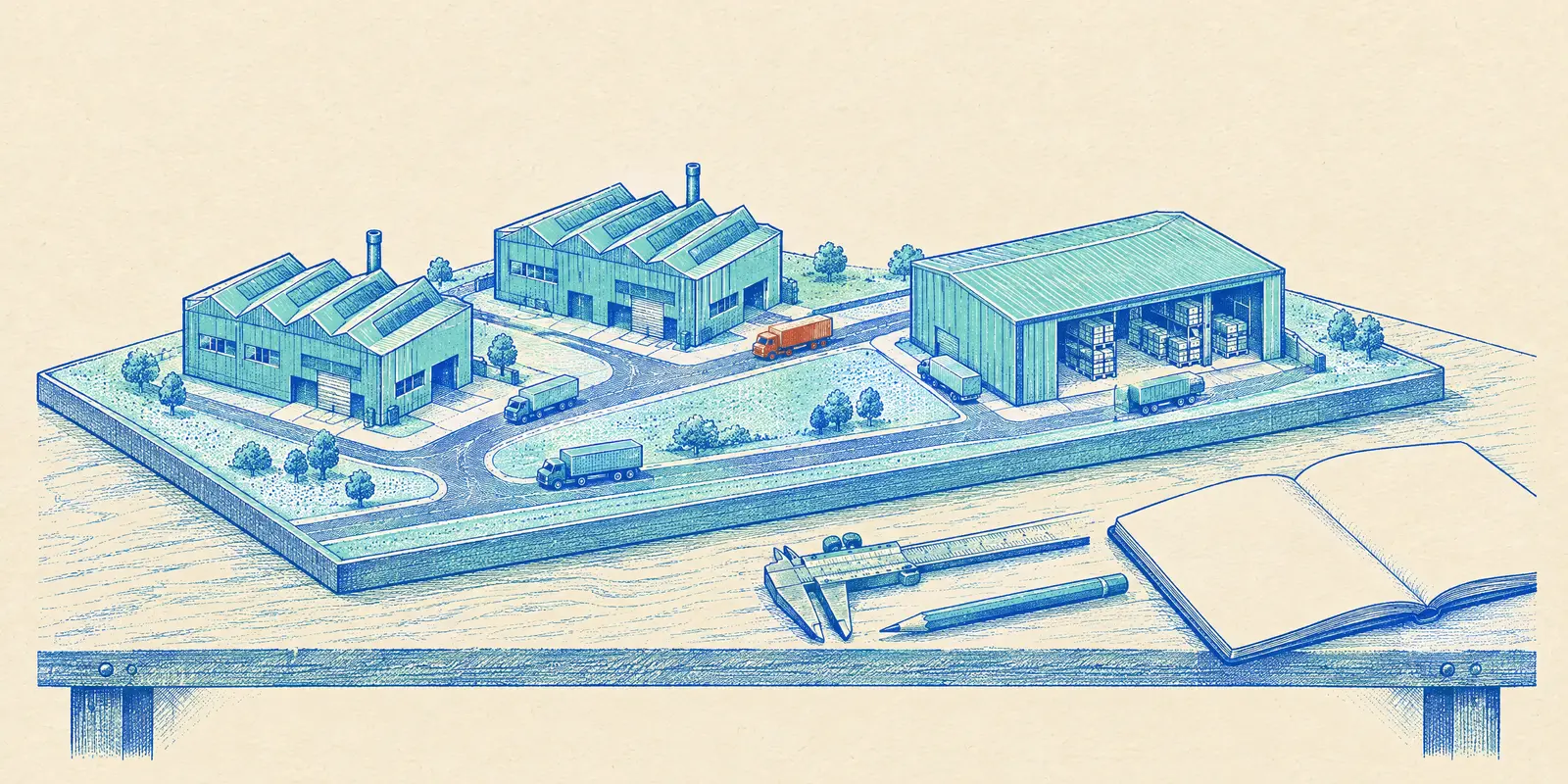
Ask any customer service team why an order arrived late, and the most common answer is "the carrier".
It is the easy answer. The carrier is outside the company, the truck is the last thing that touched the order, and "Carrier" is usually the first option in the drop-down. Nobody gets into trouble for picking it.
It is also often wrong. A truck that leaves a day late because the order came in after the cut-off is not a carrier problem. Neither is a pallet held at the border because the invoice had no commodity code, or a bike that waited a week for a battery.
The evidence is usually there. It sits in the timestamps and in the free-text notes that nobody reads, because reading 300 notes a month is a day's work. That is exactly the work an AI model is now good at.
What it is
Root-cause analysis is the habit of asking "why?" until you reach something you can fix. Quality teams formalised it decades ago. The Five Whys came from Sakichi Toyoda, the founder of what became Toyota. The Ishikawa (fishbone) diagram sorts possible causes into categories. The 8D method walks a team in eight disciplines from describing the problem to preventing it from coming back.
OTIF, on time in full, is where most supply chains feel the symptom. McKinsey points out there is no standard definition: requested or promised date, a delivery slot or a wider window, in full by order, line or case. Agree yours before you analyse anything.
What changed is the analyst. Today's assistants can open a spreadsheet, write and run code on it, and read free text in the same pass:
- Claude can run code on an uploaded file and return tables and charts.
- ChatGPT does the same with its data analysis feature.
- Copilot in Excel now uses Python when you ask it to analyse a sheet, and the Analyst agent shows its code.
- Gemini in Google Sheets can analyse a sheet, chart it and show its analysis steps.
The capability that matters is the combination. A formula can compare two dates. A person can read a note. A model can do both across hundreds of lines, and show its working.
What it means for supply chain
I find it useful to split the job in three, and to be clear who does which part.
| Step | What the AI does | What you do |
|---|---|---|
| Count | Recomputes lateness from raw dates, ignoring the cause codes | Agree the OTIF definition and the cut-off rules |
| Cluster | Groups lines by evidence: timestamps, notes, product, lane, weekday | Check each cluster against what you know of the operation |
| Chase | Drafts the "why" chain and the questions for each owner | Talk to the owners and decide the fix |
The same pattern works well beyond customer deliveries:
- Inbound supplier delays. Separate late dispatch from long transit from receiving backlog at your own dock.
- Forecast misses. Group the biggest errors by cause: promotion not loaded, new product, customer order shifted a week.
- Warehouse mis-picks. Cluster errors by location, shift and product family before blaming the pickers.
- Customer complaints. Read a month of complaint text and map it to process steps, not to departments.
- Freight claims. Link damage reports to packing method, lane and handling hub.
The trick is always the same: give the model the raw facts and the free text, not just the codes. Here is a way to see it.
Try this: 28 late lines, five real causes
Paste this into an assistant that can run code (Claude, ChatGPT with data analysis, or Copilot in Excel with Python). The data is from a fictional bicycle maker and is illustrative. E-bikes are made in one plant and regular bikes in the other, and five hubs deliver to customers.
You are a supply chain analyst. Our customer service team coded the causes of last month's late deliveries. I do not trust the codes. Find the real root causes from the data.

Context:
- E-bikes (model names ending in -E) are made in our Eindhoven plant. Regular bikes come from Bydgoszcz. Hubs ship from stock.
- Order cut-off at every hub is 14:00 for same-day shipping.
- Standard transit in working days: Venlo, Kassel, Lyon, Basel 1; Northampton 2 (includes UK customs).
- Dates are dd-mm, October 2026. Weekends are not working days.

Task:
1. Recompute for each line whether the delay happened before shipping (hub/plant) or after (transit), and by how many working days.
2. Group the lines into root causes using the dates, the order entry time, the hub, the model and the notes. Ignore cause_code when grouping.
3. Compare your causes with cause_code.
4. For each root cause, write a short Five Whys chain and the one question I should ask its owner.

Data:
line,hub,model,entered,promised_ship,actual_ship,promised_delivery,actual_delivery,carrier,cause_code,note
SO-4407,Kassel,Aero 1,02-10 11:00,05-10,05-10,06-10,08-10,LogiRhein Road,Carrier,
SO-4414,Venlo,Terra-E,01-10 10:15,05-10,08-10,06-10,09-10,Benelux Groupage,Carrier,
SO-4421,Lyon,Strada,05-10 15:40,05-10,06-10,06-10,07-10,TransSud Express,Carrier,
SO-4428,Northampton,Aero 1,05-10 09:30,06-10,06-10,08-10,12-10,Albion Freight,Carrier,held at customs
SO-4435,Kassel,Strada-E,02-10 10:15,06-10,09-10,07-10,12-10,LogiRhein Road,Stock,waiting for batteries
SO-4442,Lyon,Ridge-E,05-10 10:15,07-10,12-10,08-10,13-10,TransSud Express,Other,plant ETA moved twice
SO-4449,Lyon,Terra,07-10 16:05,07-10,08-10,08-10,09-10,TransSud Express,Carrier,carrier picked up late?
SO-4456,Venlo,Aero 2-E,06-10 10:15,08-10,13-10,09-10,14-10,Benelux Groupage,Carrier,"partial, rest next truck"
SO-4463,Basel,Trail,08-10 08:50,09-10,09-10,12-10,14-10,Helvetia Cargo,Other,customer asked to deliver Wed instead
SO-4470,Lyon,Aero 1,09-10 14:30,09-10,12-10,12-10,13-10,TransSud Express,Carrier,
SO-4477,Northampton,Trail-E,07-10 10:15,09-10,14-10,13-10,16-10,Albion Freight,,no stock e-models
SO-4484,Kassel,Terra-E,08-10 10:15,12-10,15-10,13-10,16-10,LogiRhein Road,Carrier,VoltPack delay per Eindhoven
SO-4491,Kassel,Terra,09-10 11:00,12-10,12-10,13-10,14-10,LogiRhein Road,Carrier,driver shortage
SO-4498,Northampton,Ridge,12-10 09:30,13-10,13-10,15-10,19-10,Albion Freight,Carrier,customs - invoice missing HS code
SO-4505,Lyon,Ridge,14-10 17:10,14-10,15-10,15-10,16-10,TransSud Express,Other,
SO-4512,Basel,Strada-E,12-10 10:15,14-10,19-10,15-10,20-10,Helvetia Cargo,Other,
SO-4519,Lyon,Terra-E,13-10 10:15,15-10,20-10,16-10,21-10,TransSud Express,Carrier,batt shortage
SO-4526,Venlo,Ridge-E,14-10 10:15,16-10,21-10,19-10,22-10,Benelux Groupage,Stock,
SO-4533,Venlo,Aero 2,15-10 13:10,16-10,16-10,19-10,20-10,Benelux Groupage,Carrier,"dock closed at customer, redelivered"
SO-4540,Lyon,Trail,16-10 15:55,16-10,19-10,19-10,20-10,TransSud Express,Carrier,truck already gone
SO-4547,Kassel,Ridge,16-10 11:00,19-10,19-10,20-10,22-10,LogiRhein Road,Carrier,
SO-4554,Northampton,Terra,19-10 09:30,20-10,20-10,22-10,27-10,Albion Freight,Carrier,"held Dover, docs"
SO-4561,Kassel,Trail-E,19-10 10:15,21-10,23-10,22-10,26-10,LogiRhein Road,Carrier,waited on replen from NL01
SO-4568,Lyon,Aero 2,21-10 16:20,21-10,22-10,22-10,23-10,TransSud Express,Carrier,
SO-4575,Northampton,Aero 2-E,20-10 10:15,22-10,27-10,26-10,29-10,Albion Freight,Other,plant short of packs
SO-4582,Lyon,Strada,23-10 14:45,23-10,26-10,26-10,27-10,TransSud Express,,
SO-4589,Kassel,Strada,23-10 11:00,26-10,26-10,27-10,28-10,LogiRhein Road,Carrier,
SO-4596,Northampton,Strada,26-10 09:30,27-10,27-10,29-10,30-10,Albion Freight,Carrier,truck breakdown M1

Output: a table of root causes (lines, share of lines, working days late, share of days late), a table comparing your causes with cause_code, the Five Whys per cause, and a list of your assumptions.What you should see
The cause codes blame the carrier on 19 of the 28 lines. A good answer finds that the carrier caused about 5.
- E-bike battery shortage, 11 lines. Every late e-bike left the hub two or three working days after its promised ship date, and several notes point at batteries. Only 2 of them were coded "Stock". This one cause holds 32 of the 56 working days late, more than half.
- Orders entered after the 14:00 cut-off, 7 lines, all in Lyon. Each shipped the next working day and the carrier then delivered within its standard transit. The note "truck already gone" is the giveaway.
- UK customs documents, 3 lines. Held at the border for paperwork such as a missing commodity code. That is our invoice, not Albion's truck.
- Real carrier delays, 5 lines. Four are LogiRhein from Kassel, all shipped on a Monday. One is an Albion breakdown.
- Customer-caused, 2 lines. A rescheduled delivery and a closed dock. These should probably not count against OTIF at all.
Check whether the model spots the Monday pattern in Kassel and the timestamps in Lyon. Those need the dates, not the notes.
Why this shows what AI adds
A pivot table on cause_code gives you "carrier, 68%" and a tense meeting with your transport supplier. The real top three actions are all in-house: battery supply to the e-bike plant, the order cut-off in Lyon, and the customs paperwork for the UK.
An analyst could find all of this too. It would take a morning. The model takes a minute, and leaves the morning for the conversations with the owners.
What it can't do, and the traps
- It finds correlation, not cause. "All Kassel delays were Mondays" is a lead, not a verdict. The 8D method insists that root causes are verified, not brainstormed. Ask LogiRhein before you change anything.
- It is only as good as your timestamps. If ship dates are booked when the paperwork is done rather than when the truck leaves, the analysis will blame the wrong step.
- It can invent tidy stories. Ask it to cite the line numbers behind every cluster, and spot-check five of them yourself.
- Watch what you upload. Customer names, prices and contract terms belong only in an assistant your company has approved for that data.
- The definition decides the answer. Change "on time" from promised to requested date, and your clusters change too. Write the definition into the prompt.
Read the notes column before the next carrier review
This week, export last month's late lines with the dates, the entry time and the free-text notes. Run the prompt above on them, with your own cut-off and transit rules. Bring the result to your next carrier review, and see how much of the discussion is still about the carrier.
Root-cause analysis used to be a quality-team ritual that most supply chain people only saw on a wall chart. It can now be a monthly habit for any planner with a spreadsheet and ten minutes.
What does your drop-down say is the biggest cause of late deliveries, and do you believe it?
Sources
- McKinsey: Defining on-time, in-full in the consumer sector
- ASQ: Eight disciplines (8D)
- ASQ: Five Whys
- ASQ: Fishbone diagram
- Claude Help Center: Create and edit files with Claude
- OpenAI Help Center: Data analysis with ChatGPT
- Microsoft Excel blog: What's new in Excel, April 2026
- Google: Analyse data with Gemini in Google Sheets